About this attraction
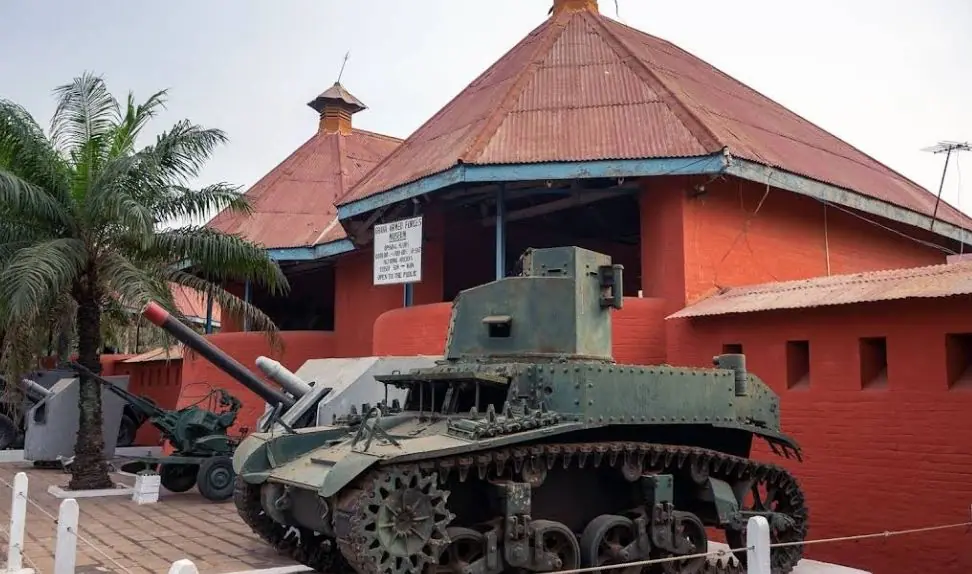
The Kumasi Fort and Military Museum, also known as the Ghana Armed Forces Museum, is a historical fortress and one of Africa’s few dedicated military museums. Located in the Uaddara Barracks in Kumasi, Ashanti Region, Ghana, it offers insight into the nation’s military past and the legacy of Ashanti resistance and colonial encounters.
Key facts
-
Founded: 1820 (as a fort); converted to museum 1952–1953
-
Founder: Asantehene Osei Tutu Kwamina
-
Location: Uaddara Barracks, Kumasi, Ashanti Region, Ghana
-
Hours: Mon–Sat 8 a.m.–5 p.m.; closed Sundays and holidays
-
Entry fee: Around GHC 10 (Ghanaians); GHC 15 (non-Ghanaians)
Historical background
Originally constructed in 1820 by Asantehene Osei Tutu Kwamina to resemble European coastal forts, the Kumasi Fort symbolized Ashanti architectural ingenuity and sovereignty. It was destroyed during the British invasion of 1874 and rebuilt in 1897 using granite and brown soil transported from Cape Coast. The fort became a pivotal site during the 1900 Asante Rebellion led by Queen Mother Yaa Asantewaa, when 29 British officials were besieged inside for weeks before her capture and exile.
Conversion to museum
After World War II, the British Colonial Government transformed the fort into the Ghana Armed Forces Museum (1952–53). Its exhibits chronicle the evolution from the colonial Gold Coast Regiment to the modern Ghana Armed Forces. Artifacts include Ashanti war weapons, medals, anti-aircraft guns, armored vehicles, maps, and photographs from the Anglo-Asante wars and the World Wars.
Exhibits and surroundings
Visitors encounter displays honoring Ghanaian soldiers’ roles in World Wars and UN peacekeeping missions. Portraits of Yaa Asantewaa and Asantehene Prempeh I and II highlight Ashanti leadership. Nearby, the British Military Cemetery holds graves of British casualties from the Yaa Asantewaa War.
Significance
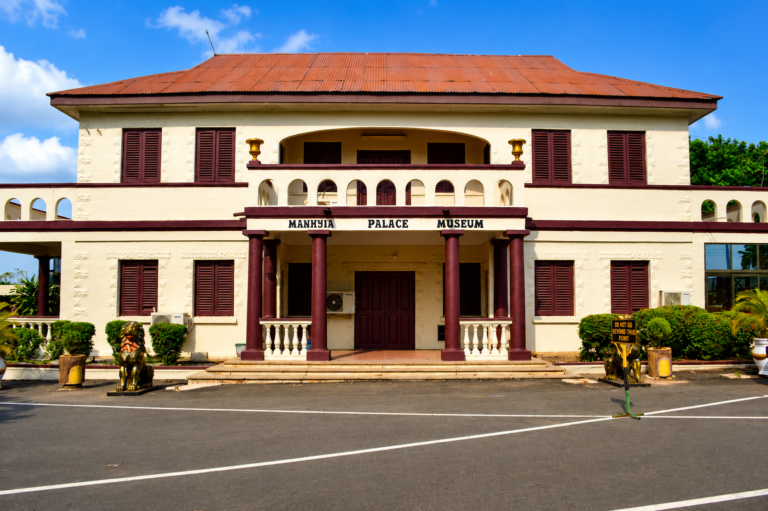
The fort stands as both a colonial-era monument and a national memorial to resilience, linking Ashanti resistance, Ghana’s military heritage, and its modern identity within the Ghana Armed Forces. It remains a major cultural attraction in Kumasi’s historic core, close to the Prempeh Museum and Manhyia Palace.
Location
Reviews
69 views