About this attraction
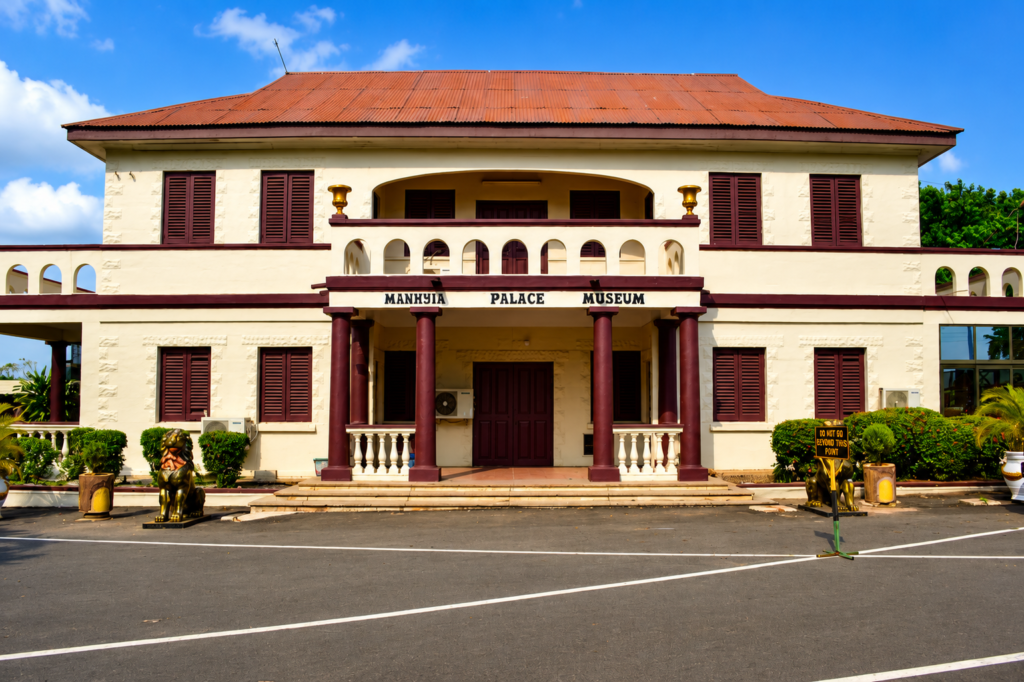
The Manhyia Palace Museum in Kumasi, Ghana, serves as a key cultural and historical site dedicated to the Ashanti Kingdom and its monarchy. It preserves the legacy of the Asantehene, the Ashanti king, and provides insight into Ashanti traditions, governance, and art. The museum is an emblem of Ashanti heritage and national pride.
Key facts
-
Location: Kumasi, Ashanti Region, Ghana
-
Established: 1995
-
Original structure built: 1925
-
Type: Royal palace and museum
-
Function: Residence of the Asantehene and cultural museum
Historical background
The original Manhyia Palace was built in 1925 by the British colonial government as a residence for Prempeh I, the Asantehene restored from exile after the Yaa Asantewaa War. The palace became a symbol of Ashanti resilience and political continuity after the British annexation of the Ashanti Kingdom. In 1995, it was converted into a museum by Otumfuo Opoku Ware II, preserving the royal legacy while a new palace was built nearby for residence.
Exhibits and collections


 5
5The museum displays regalia, photographs, and artifacts belonging to successive Ashanti monarchs, including Otumfuo Osei Tutu I, Prempeh I, and Opoku Ware II. Exhibits include royal furniture, ceremonial clothing, and archival documents that trace Ashanti history from pre-colonial times to the present. The museum’s collection emphasizes the spiritual and political significance of the Asantehene in Ghanaian society.
Cultural significance
The Manhyia Palace Museum functions as both a historical repository and an active symbol of living tradition. It continues to host important royal ceremonies and serves as an educational center for Ashanti culture and governance. For visitors, it offers a direct connection to the enduring influence of the Ashanti Kingdom within Ghana’s cultural landscape.
Location
48 views
Community Reviews
Reviews and reputation
No approved reviews yet.